


As the world continues to embrace digital commoditisation, it is becoming uncomfortably clearer that human attention is the scarcest, most valuable resource that will determine whether we live our lives the way we want. What might seem like a few seconds of harmless doomscrolling every hour, could compound into years of wasted time… time that could have been used to build a better quality of life for self and others.
This was what broke Ryan Nicholas Leong’s intense addiction to screens and the nature of content he was consuming online. Having battled and survived childhood lymphoma, he found himself chained to another form of cancer – his attention being mined at his growing expense.
“For ages I was absorbed in the world of social media and passive content consumption. It was an easy, convenient way to escape from the stresses of daily life. However, bad habits took root. I was sucked in by the constant bragging of friends boasting about their achievements or the most mundane of events… then by the sheer volume of product and service advertisements promoting possibilities, and finally, mindless attention grabs of nonsensical content, cooked up by exploitative creators seeking quick monetisation…”
Even after tuning out for the day, the sour aftertaste lingered. Ryan felt washed over by anxiety, fear of missing out (FOMO), envy, and choice paralysis. He was losing his sense of focus, confidence in his identity, not to mention growing impatience with less fast-paced, long-form content that he relied on for wisdom, such as books.
And to cope with such emotions, Ryan ended up going back to his online feeds, hoping that the algorithm would comfort him with content that would make him feel better about himself. This worked somewhat, but he was still trapped in this vicious cycle of doomscrolling, building up wasted time that he regrets till this day.
The nail in the coffin came when he started observing infinite AI-generated content that embellished and falsified facts. Automated agents with generic comments would also pop up, casting doubts on whether he was building authenticity with real humans online.
“That got me to recoil from the social media scene, and reflect on how meaningfully I was spending my time.” He observes. “When you realise your precious time and energy are being wasted to infinite slop, survival instinct kicks in.”
However, Ryan cannot say the same for the future generations he educates. Together with peers and elders who grew up with a taste of the analogue era, they are observing disturbing patterns whereby young schoolchildren struggle to focus, even dismissing the value of patience and resilience. If content is not paced and energised to what they are familiar with online, they switch off with defiance. If the content is brilliantly delivered, they rave only for short bursts, but then expect something better. It is a difficult challenge for parents, educators and caregivers today. “Still, I cannot blame them. If a child has no prior knowledge of such dangers coated as convenience, and wanders into such a world, becoming addicted is a natural byproduct.”
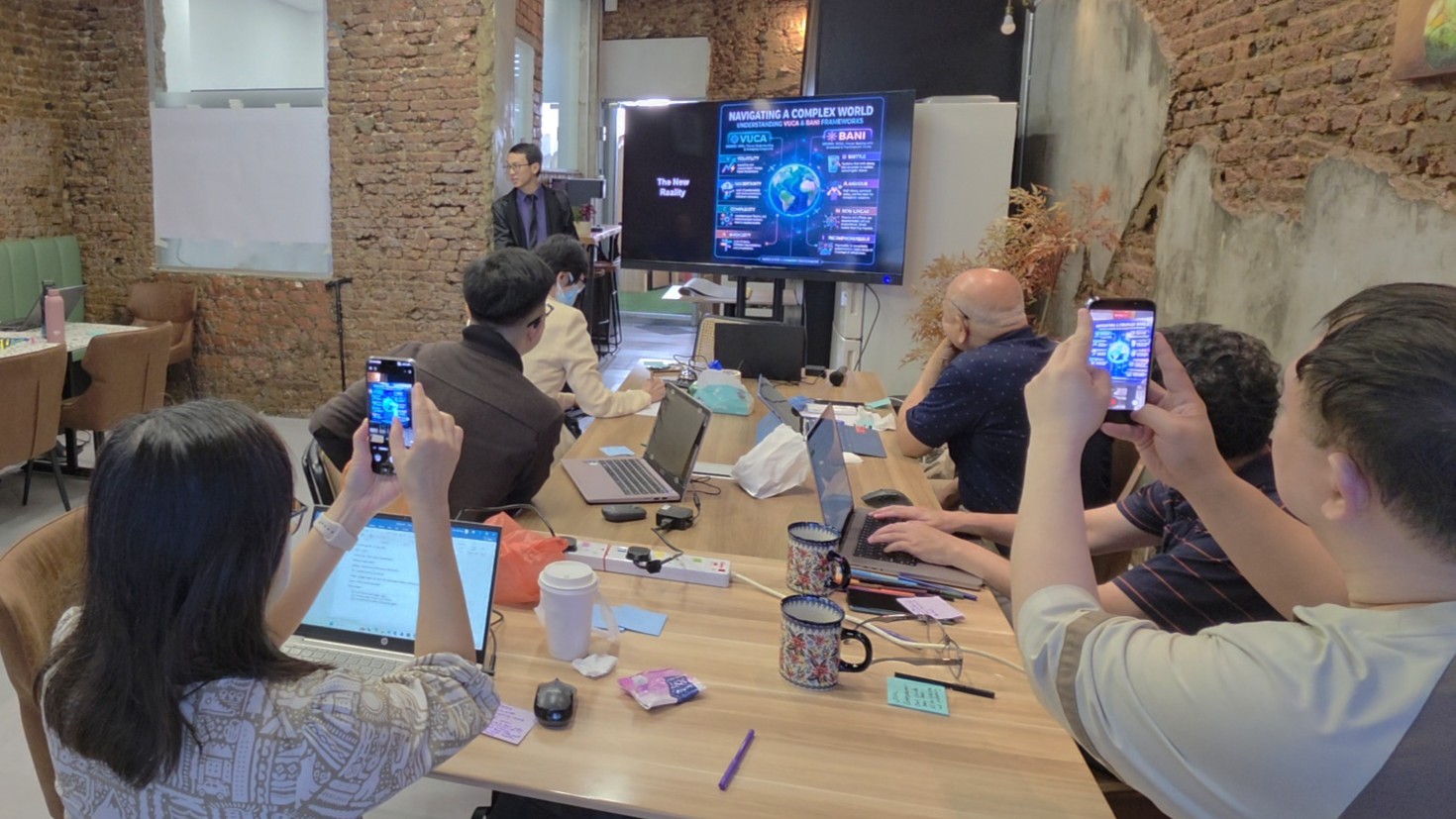
“But like it or not, Pandora’s box is already open. I even see such patterns affecting many adult learners that I teach. I have to win their attention back within 10 seconds, or they start to sneak peeks at their smartphones. This is the reality we have to accept.”
So what next? Delving into human psychology and numerous experimentations on the ground, Ryan decided to build up what he calls an ‘Edutainment Engine’.
“We cannot fight the dopamine hit these attention-arresting devices, algorithms and content bring… but we can leverage and channel these towards empowering our lives.
And at the heart of mastering attention, is the reliable caveman-old system of storytelling.
“We make our decisions and navigate the world through the stories we perceive. And the child in many of us has always savoured imaginative worlds of characters going through struggles and emerging victorious. The lessons stick better that way. It’s data brought to life… but in our modern age, many are simply throwing data bits all over the place on cold slides, without a storytelling anchor.
This problem is especially worsened in the Agentic Era, where anyone can prompt AI to create a slide deck of data in seconds. But how then, do consumers choose who stands out?
And so enters Ryan’s testbed: The Rangers Rally! Universe.
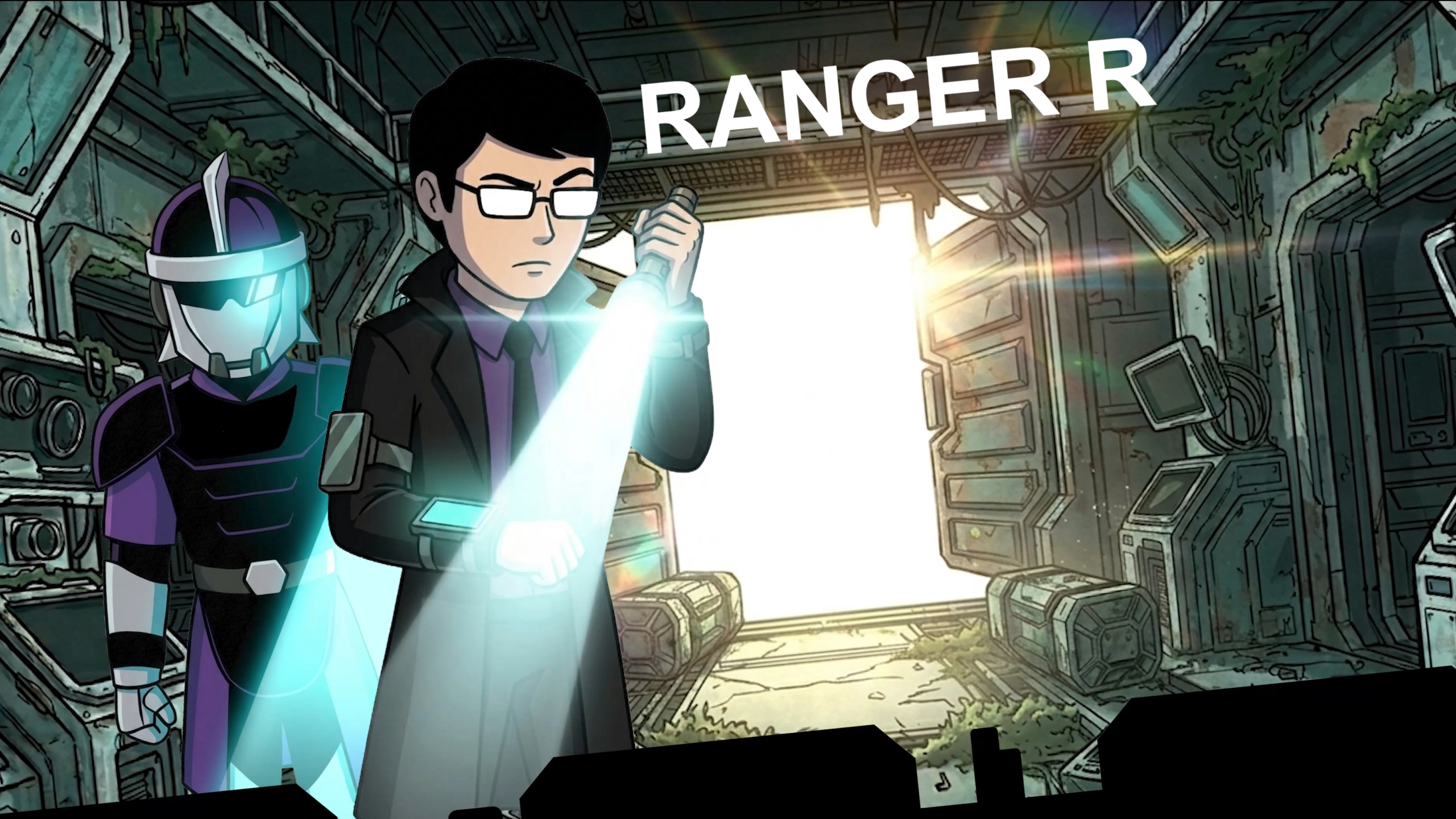
With storytelling and worldbuilding at the heart of this world, Ryan’s cartoon counterpart and digital-twin data detective, Ranger R, steps beyond our tangible world – navigating the dystopian impact of emerging technologies with social dynamics, and honing the 21st century skills needed to thrive ahead with hope in a BANI environment. So even if viewers come across his content while doomscrolling, they walk away with insightful lessons about the intersection of technology and human nature.
From Sci-fi cities of AI systems to robotics and outer space, the experience takes on a simulative training vibe, as values, creative and critical thinking muscles are engaged and exercised. Practical application has yielded promising results: across 100+ schools and organisations in Singapore, a nation renowned for its emphasis on education, many have praised the refreshing approach of Rangers Rally!.
“It’s amazing that many movies and books of old have, with uncanny accuracy, predicted the dark side of modern life, or how much worse things could get. I salute these directors, scriptwriters and more from the past – it is as if they are sending us warnings from their wise foresight, awakening us present beings to the irreversible realities that we could enable… even just by doing nothing. In good faith as a human being, I feel empowered to pass on the torch, to ensure their well-intentioned efforts shape a world better than when we found it, and are not instead lost to obscurity.”
And an Edutainment Engine done right can evolve into a business with a generational legacy. Ryan breaks down the strategy.
- People enjoy movies, both as a form of social bonding and knowledge transfer. Leveraging this as a delivery method already ignites interest beyond the ‘open your textbook’ cliche.
- Segway into a universe of your own – stories, characters, struggles. Even better if it reflects your passions and brand. This not only builds a wealth of story-based content that engages, but also assures an iconic, organic human flavour of authenticity that can neither be replicated nor embodied truly by artificial intelligence.
- Build sensory associations. For example, the universal language of music is a catalyst that stirs the soul’s passions. So craft a theme song or jingle that reflects the soul of your brand. Pair it with an appropriate logo or delivery style that you own, and you will stand out from the masses of cookie-cutter copycats, living rent-free in the minds of fond supporters. That’s free, lasting marketing!
Now that you have engaged their senses, transacting business with them will be easier and feel more natural. They would also not mind paying more for an emotionally appealing brand!
And here comes the magic; you can then branch out into other forms of merchandising: Food, toys, community bonding events – a mix of entertainment and education that is nourishing and way better than mindless slop that has no consistency and continuity, and fractures into obscurity after being consumed.
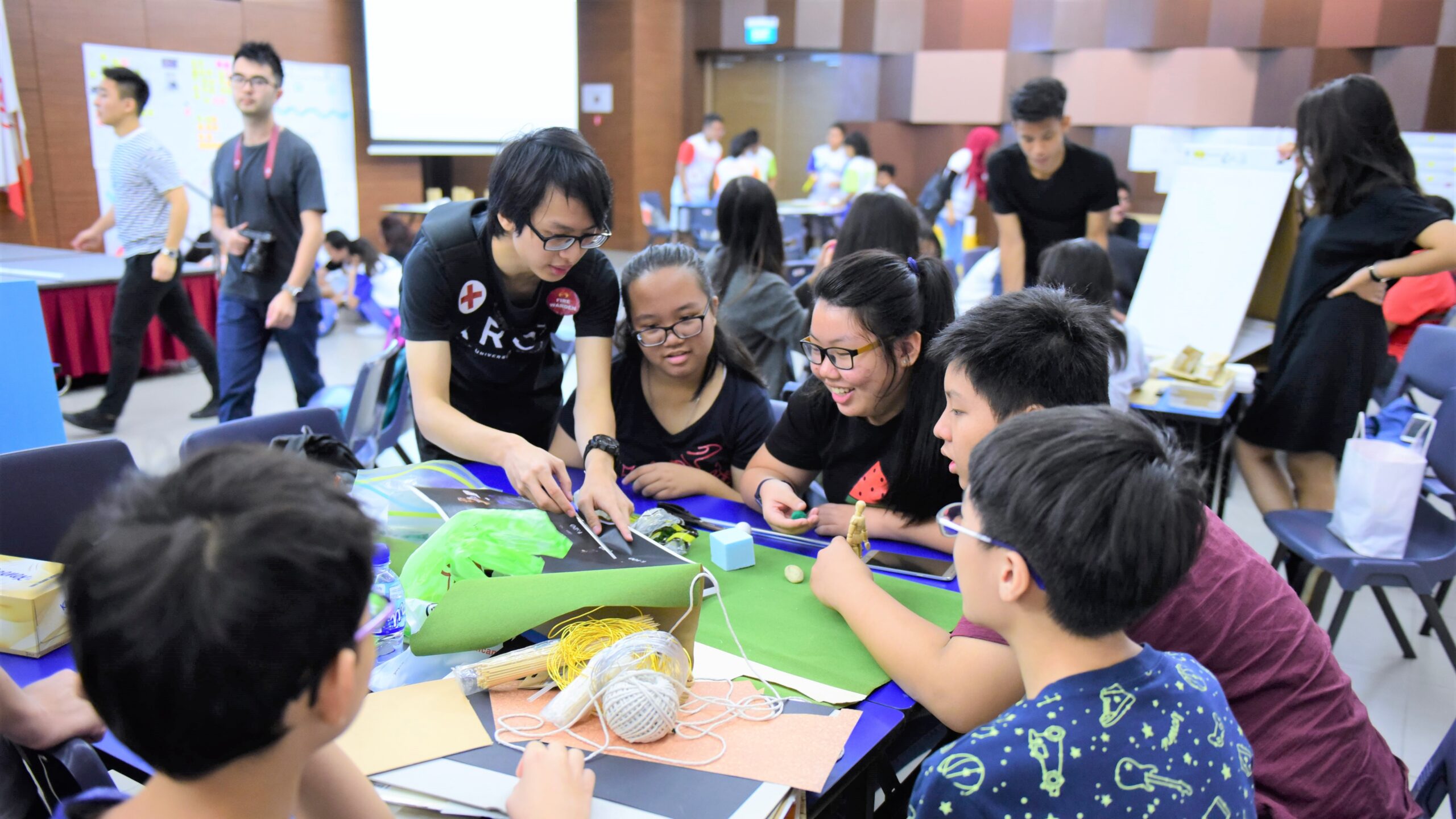
Starting off small, Ryan recommends readers to develop their own ‘Data Diet first’; building a meaningful world in your imagination starts off with meaningful content ingredients. It could be a collection of time-saving tips about a particular subject, then later made palatable through a story-series of video shorts.
If you play your cards well enough, you could even have entire games or theme parks that inspire generations into the future, not to mention the impact and income it can bring to your loved ones and stakeholder communities.
Note that this strategy is not new. Brands and celebrities have been doing this across cultures and generations, but not many appreciate the potential of this strategic approach. The most challenging part is overcoming doubt and ridicule. “Will this persona, this world even interest my neighbour?” You may ask.
“Well, you will never know unless you try!” Ryan replies with assurance. Thrice he started off with overwhelming doubts, and thrice he managed to create engaging edutainment universes for companies big and small, even winning them prestigious awards and recognition in saturated markets.
So go ahead, try your hand at worldbuilding an edutainment engine around your encounters, and have it evolve and amplify your impact in the game of life!
Find out more about Ryan’s work via LinkedIn:
https://www.linkedin.com/in/ryanleongweiren/